
Adventures Behind Every Door
Welcome! Today we explore Interactive Home Quests with Smart Devices, turning ordinary rooms into living puzzles powered by voice assistants, lights, sensors, and locks. You’ll learn how to plan, build, and host unforgettable experiences, encourage playful collaboration, and keep everything safe, private, and reliable. Join in, share your ideas, and subscribe for more.
Blueprints for Playable Homes
Transforming a house into a delightful challenge starts with thoughtful structure: clear objectives, intuitive pathways, and moments of surprise. We map rooms to progression, align puzzles with device strengths, budget time per stage, and weave gentle hint systems. This foundation keeps excitement high while minimizing confusion, bottlenecks, and accidental dead ends.
Devices That Make Puzzles Move
Smart hardware turns imagination into tangible feedback. Choose lights, relays, speakers, buttons, locks, and displays based on reliability, speed, and safety. Favor local control via Matter, Thread, or Zigbee when possible to reduce latency. Balance spectacle with simplicity so batteries stay healthy, automations remain transparent, and resets take seconds.
Storytelling That Sticks
A great puzzle is remembered, but a great story is retold for years. Build motivations, escalate stakes, and foreshadow reveals through environmental details. Use recurring symbols, musical motifs, and visual languages so progress feels like discovery rather than instruction, keeping players emotionally hooked even between mechanical steps.
Start with an immediate mystery and attainable action: a sealed envelope with a QR code, a shadowy light pattern, or a shuffled playlist hiding numbers. Early momentum builds confidence. Offer one optional side clue, teaching exploration habits without punishing those who prefer the straight path.
Generate distinct voices for guides, rivals, or narrators using text‑to‑speech and small speakers. Assign sonic signatures to each, like a chime, radio hiss, or vinyl crackle. Consistent audio identities anchor immersion, let players track who is speaking, and simplify scripting across scenes and rooms.
Physical artifacts create continuity. NFC tags under coasters, printed cipher wheels, or magnetic tiles can survive resets and multiple groups. Combine them with dynamic displays so information changes while the object remains familiar, reinforcing progress through touch and sight and offering delightful souvenirs after the final reveal.

Fail‑Safes for Doors and Power

Treat exits as sacred. Do not trap anyone with powered locks or heavy mechanisms. Use decorative latches, magnets, or simulated barriers instead. For electrical elements, isolate low‑voltage props, route cables safely, and add smart plugs with physical buttons so hosts can cut power instantly if anything misbehaves.
Respecting Data and Voices
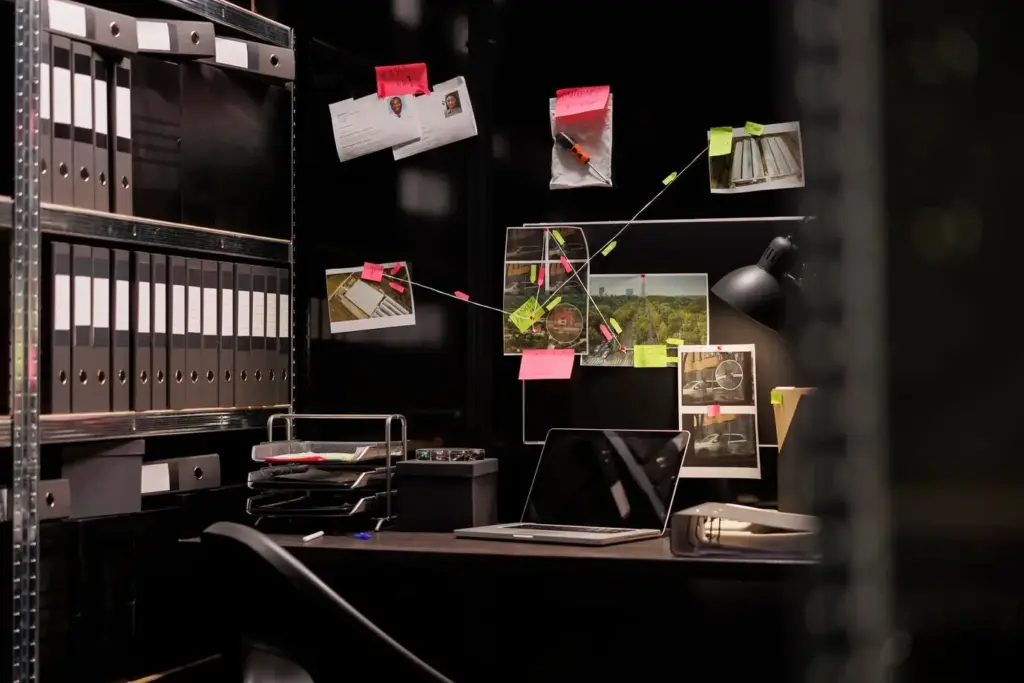
Keep microphones opt‑in, and announce when recording or listening is active. Prefer local assistants or offline text‑to‑speech when possible. Store logs briefly, anonymize player names, and share privacy notes beforehand. Trust builds when guests know how their actions are processed, protected, and erased after the celebration ends.
Testing Under Real Conditions

Run full rehearsals with timers, noise, and distractions. Observe where players hesitate and where systems lag. Log automations, battery levels, and network quality. Keep spare sensors and charged power banks nearby. Reliability frees attention for joy, letting your narrative and puzzles shine instead of maintenance stealing the spotlight.
Gatherings, Remote Play, and Accessibility
Social magic multiplies when everyone participates comfortably. Design roles for explorers, listeners, codebreakers, and narrators. Offer remote triggers for distant friends, and consider different sensory pathways so color‑blind, hard‑of‑hearing, or neurodivergent players enjoy equal agency. Celebrate diverse problem‑solving styles; the best moments come from unexpected, complementary strengths.
Pair physical searches with gentle logic and clear confirmations. Younger players can discover NFC tags or hidden magnets, while adults decode ciphers or time patterns. Celebrate every contribution equally. Use shared dashboards to visualize progress, so quieter participants see their impact and gain confidence to suggest bold ideas.
Mirror key props with twin devices or virtual twins. Use Home Assistant Cloud or secure tunnels to expose a limited webhook that triggers shared scenes. Video chat provides presence, while synchronized sound cues and light changes bridge spaces, making distant friends feel equally central to every breakthrough.
Build Your First Quest in a Weekend
A lightweight plan helps momentum. Inventory devices, sketch story beats, prototype one signature effect, and schedule testing. Keep scope small, polish transitions, and document resets. Invite a pilot group, collect reactions, and iterate. By Sunday night you will host something charming, repeatable, and surprisingly resilient.
Friday: Inventory and Map
List every device, noting capabilities, latency, and power. Draw a floor plan and mark potential stations, sightlines, and safe cable paths. Choose a core mechanic, like color sequences or spoken codes. Keep constraints visible to guide creative choices, preventing over‑ambitious ideas from derailing weekend progress.
Saturday: Prototype and Iterate
Build a vertical slice connecting one input, one confirmation, and one reveal. For example, an NFC scan triggers a chime, then a lamp flashes a code. Run five loops, fix friction, and add a hint path. Document steps as reusable scenes for easy resets tomorrow.
Sunday: Polish and Share
Record a short trailer video, write accessible instructions, and package your resets into a single dashboard. Invite feedback after the run and capture lessons while energy is high. Share photos, puzzle seeds, and automations with the community, and subscribe here to trade ideas and celebrate wins together.

All Rights Reserved.