

Crack the Code of Playful Science

Today we explore STEM mystery challenges for kids using smart displays, smart buttons, and motion sensors. Expect gripping storylines, hands-on tinkering, and delightful aha-moments as children translate clues into actions, test hypotheses, and watch technology respond. Join in, adapt ideas to your space, and share your creative twists so others can learn from your experiments.

Setting the Scene for Curious Minds

Create a collaborative playground where experimentation feels safe and exciting. Arrange stations that invite discovery, from a central clue board to peripheral sensor zones, each clearly labeled yet mysterious. Encourage roles like investigator, tester, and recorder so everyone participates meaningfully, capturing observations, debating possibilities, and celebrating small successes that fuel persistence across increasingly challenging puzzles.

Build an Inviting Lab at Home or in Class

Design a flexible layout with open movement paths and cozy discussion corners. Place the smart display where all eyes can meet, while motion sensors guard hidden areas that demand careful exploration. Create button stations at kid height, use bright cable management, prepare reset procedures, and post simple signage that preserves magic while clarifying expectations and responsibilities.

Choose Kid-Friendly Hardware and Apps

Prioritize rugged devices with protective cases, reliable wireless standards, and long battery life. Select apps that support timers, progress indicators, and randomized hints without distracting ads. Ensure buttons provide tactile feedback, sensors report consistent readings, and displays remain readable in mixed lighting. Keep privacy in mind, disable unnecessary permissions, and document troubleshooting steps kids can attempt independently.

Safety and Troubleshooting Habits

Rehearse calm responses when something misfires: confirm power, check connections, and verify pairing before changing narratives. Teach gentle handling, label shared equipment, and assign roles for resets and logs. Normalize misreads as data, not failure, and encourage hypotheses about interference sources, reflective surfaces, or occluded sensors so problem-solving skills grow alongside technical confidence and teamwork.

Designing the First Mystery

{{SECTION_SUBTITLE}}

Story Hooks That Spark Action

Craft a scenario that feels immediate: a museum’s lights flicker as an ancient cipher awakens, or a friendly robot lost its memory codes. Give just enough context to inspire movement toward sensors and buttons. Sprinkle emotional stakes, playful humor, and sensory details so curiosity drives careful testing rather than frantic guessing or random button mashing that undermines learning.

Puzzle Flow Mapping

Sketch a flow from discovery to validation: observe, predict, act, check feedback, and iterate. Define which sensor zones unlock which display clues, and where button sequences change state. Include optional detours for early finishers, escalation steps when groups stall, and clear win conditions that the display can confirm audibly or visually, reinforcing understanding and rewarding persistence.

Smart Displays as Clue Boards

Use the display as a living storyteller that reacts to kids’ actions. Rotate between cryptic visuals, progress meters, and context-aware hints, avoiding spoilers while reducing frustration. Integrate timers sparingly to add excitement, not pressure. Employ color codes, icons, and simple animations that communicate states clearly for varied reading levels and multilingual or emergent readers.

Buttons That Beg to Be Pressed

Smart buttons transform intention into measurable input kids can reason about. Encourage experimentation with single taps, long presses, and sequences mapped to states. Discuss why debouncing matters, how feedback lights confirm registration, and when tactile cues inform timing. Connect actions to visible system responses, elevating cause-and-effect understanding from abstract talk to concrete, joyous exploration.

Motion Sensors Turn Space into a Puzzle

Sensors convert movement into data stories. Define zones that trigger clues only at certain speeds or distances, prompting careful control rather than chaos. Explore reflection issues, angle of view, and ambient conditions. Encourage hypothesis-driven trials, comparing readings across positions. Let the display visualize motion history so kids see invisible patterns and design better investigative passes together.

Mapping Invisible Zones into Meaningful Actions

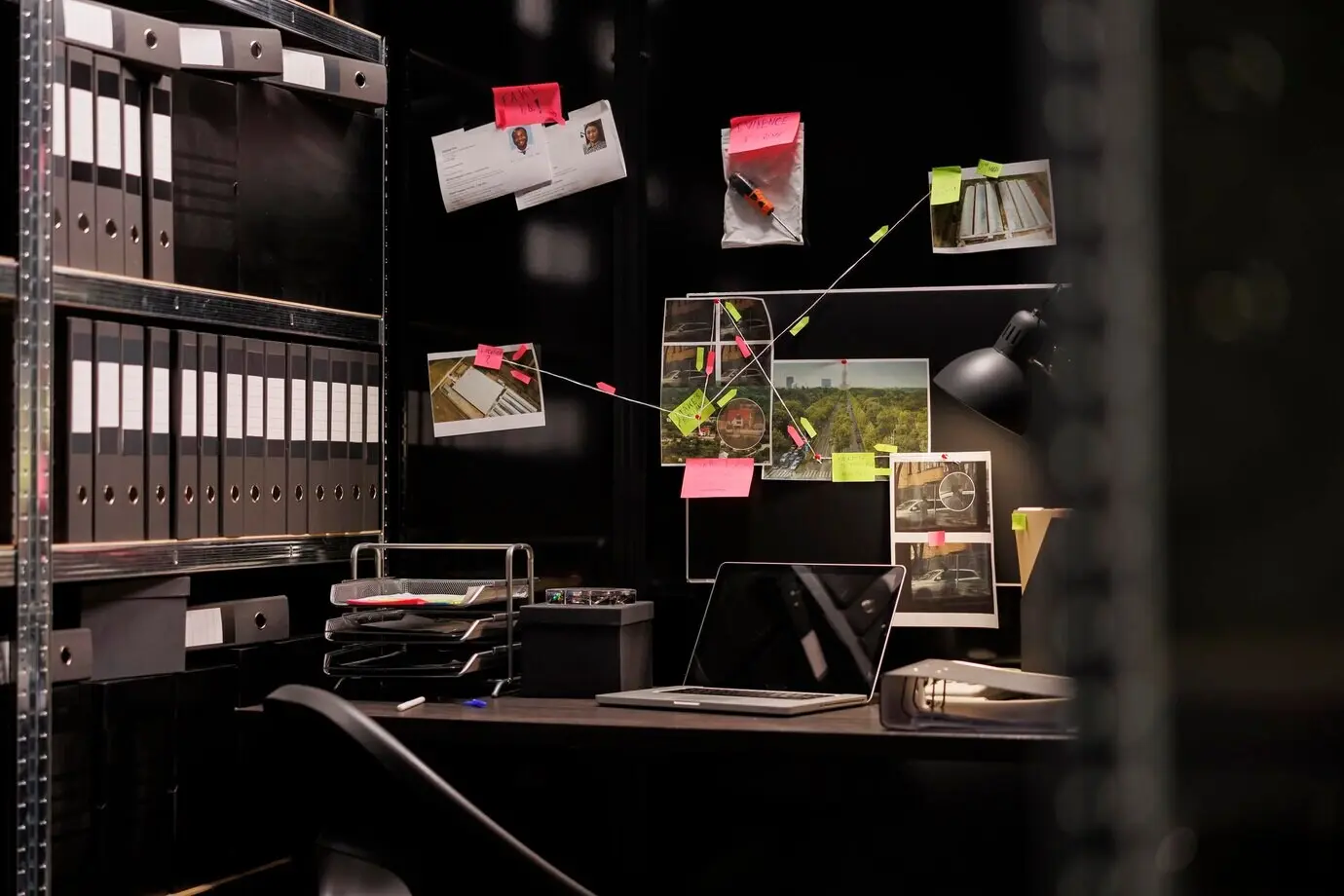
Tape subtle floor markers for starting points while keeping destinations secret. Configure thresholds so tiny motions whisper hints, while sustained presence unlocks bigger reveals. Visualize activation arcs on the display after completion, inviting post-mortem analysis. Kids learn geometry, spatial reasoning, and iterative design as they refine approaches, adjusting height, speed, and path curvature based on evidence.
Time-of-Day and Ambient Light Twists

Introduce environmental variables as plot turns: dim the room so silhouettes matter, or open blinds to challenge reflective surfaces. Explain how sunlight and shadows alter sensor behavior. Encourage controlled comparisons and data logging. By framing changing conditions as clues, students embrace variability, practice fair tests, and appreciate why engineers validate systems across diverse real-world contexts.
Minimizing False Triggers

Guide learners to identify pets, HVAC drafts, or hallway traffic as noise sources. Demonstrate masking techniques, angled placement, and cooldown timers. Use the display to show cooldown countdowns and recent trigger graphs. Celebrate when teams reduce false positives through thoughtful redesign, reframing glitches as opportunities to iterate, reason scientifically, and improve the reliability of their inventions.
Assess, Reflect, and Celebrate

Capture learning beyond correct answers. Observe collaboration, patience, and evidence use during runs. Facilitate debriefs where kids narrate strategies, diagram states, and suggest improvements. Publish highlight reels or photo boards with permission. Invite comments, questions, and new puzzle ideas, nurturing a feedback loop that keeps curiosity alive and builds a supportive community of playful inventors.

Observation Checklists That Capture Growth

Track behaviors like hypothesis formation, systematic testing, and respectful disagreement. Note when students translate display feedback into actionable changes. Record transitions from guessing to planned trials. Share snapshots with families to celebrate progress. Over time, patterns reveal increased independence, better turn-taking, and stronger explanations grounded in data rather than lucky breaks or persuasive personalities.

Student Journaling with Quick Prompts

Provide sentence starters that lower the barrier to reflection: I noticed…, Our best clue was…, The sensor reacted when…, Next time we will…. Encourage sketches of spaces, button sequences, and state diagrams. Journals document thinking, giving quieter voices power and helping facilitators surface misconceptions early while honoring each learner’s unique approach and insights.

Vavaxokovoxirona
Privacy Overview

This website uses cookies so that we can provide you with the best user experience possible. Cookie information is stored in your browser and performs functions such as recognising you when you return to our website and helping our team to understand which sections of the website you find most interesting and useful.