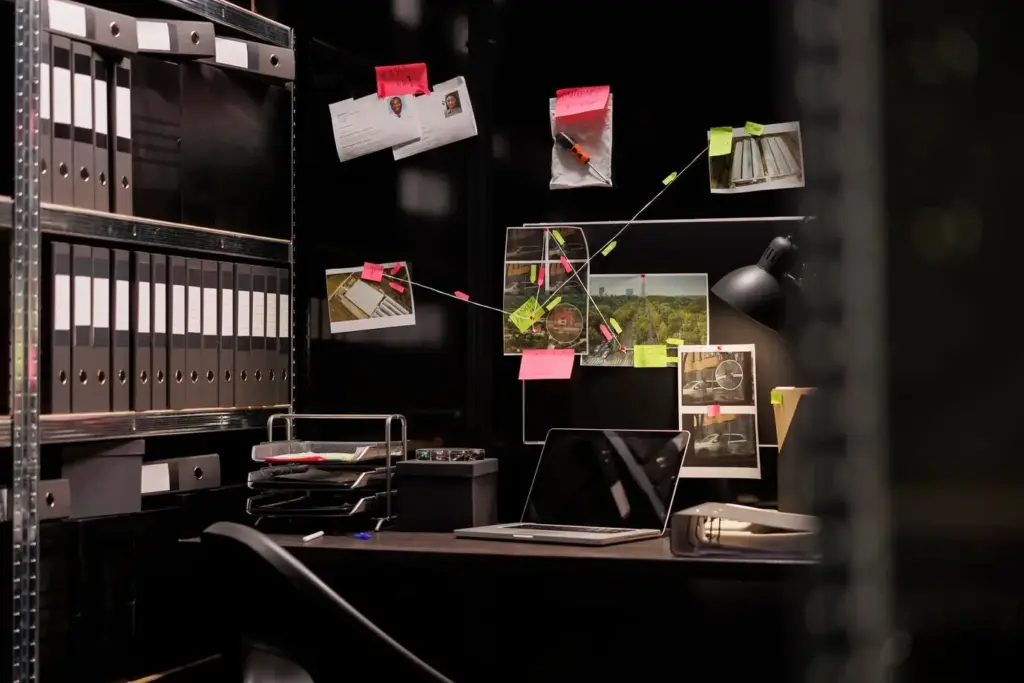
Make Your Home a Cooperative Quest Across Rooms

Today we dive into Cooperative Multi-Room Adventures Automated with Home Automation Routines, turning ordinary spaces into synchronized, story-rich experiences guided by lights, sound, sensors, and scenes. Whether you use Home Assistant, Alexa, Google Home, or Apple Home, you will choreograph puzzles, progress, and resets while keeping everything fair, safe, and accessible. Gather friends or family, distribute roles between rooms, and let automation carry coordination burdens so human energy stays focused on discovery, laughter, and delightfully unexpected twists.

Blueprints for Shared Exploration

Before wiring actions, sketch the journey. Draw a simple floor map, assign each room dramatic purpose, and plan how people collaborate without standing side by side. Consider movement, simultaneous tasks, and clues that travel via sound or light. A thoughtful blueprint prevents chaos, aligns difficulty with attention spans, and encourages memorable teamwork shaped by your home’s unique layout, doorways, and ambient noise patterns.

Scenes, Groups, and Conditional Logic
Create scenes that represent narrative beats: discovery, escalation, triumph, calm. Group lights and speakers by room to reduce complexity, and use conditional logic to execute only when prerequisites are satisfied. For example, arm a puzzle scene only if the entry sensor closed and the ambient noise level dropped. This keeps routines readable, testable, and robust, even when excitement triggers repeated button presses or overlapping voice commands.

State Synchronization with Sensors

Consistency makes progress feel earned. Synchronize room states using contact sensors, motion detectors, pressure mats, power monitoring, or BLE beacons that confirm presence. Publish critical states to a shared dashboard so distant players see what changed after their action. When two rooms must act together, rely on sensor confirmation plus timestamped windows to accept cooperative moves, minimizing race conditions caused by network latency or near-simultaneous triggers.

Reset and Recovery Paths

Players experiment wildly, so graceful recovery matters. Provide a physical reset button, a voice phrase, and a virtual switch that cleanly returns lights, locks, counters, and variables to a known state. Preserve minimal progress if appropriate, or intentionally wipe everything for dramatic tension. Logging each reset teaches you which puzzles confuse, where instructions feel ambiguous, and how to improve fairness without diluting joyful challenge.

Devices That Bring the Story Alive

Hardware forms your narrative palette. Dimmable bulbs paint mood, addressable strips draw pathways, and smart speakers voice characters or deliver synchronized countdowns. Contact sensors verify closed tomes and secret cabinets, while NFC tags reveal lore through a phone tap. E-ink panels display cryptic maps. With careful calibration, ordinary devices become expressive storytellers, transforming familiar rooms into improvisational stages where cooperation feels natural and wonderfully cinematic.

Communication and Cooperation

Great coordination transforms confusion into flow. Cross-room announcements, intercoms, LED signals, and shared dashboards help teams act in concert without shouting. Build rituals: a countdown call, a ready phrase, a status color. Encourage role rotation to distribute spotlight time. With dependable communication channels, players focus on decisions rather than logistics, and success feels collective, not dependent on whoever stood nearest a control panel.

Hands-Free Coordination

When hands are busy, voice-first controls shine. Create concise, distinct phrases that trigger status check-ins and hints without revealing solutions. Supplement speech with haptic vibrations from wearables or short light animations players recognize instantly. During tests, we discovered a gentle three-blink pattern reduced chaos better than shouted instructions, lowering stress and letting teammates concentrate on thoughtful actions rather than chaotic relays.

Designing for Different Abilities

Accessibility is not optional. Offer visual, auditory, and tactile equivalents for every critical cue so all players contribute meaningfully. Provide adjustable time windows, clear contrasts, and optional text captions. Ensure paths are obstacle-free and controls reachable. One family reported renewed enthusiasm when they added subtitles on a tablet and longer timers, making grandparents full collaborators rather than spectators, enriching everyone’s shared experience immeasurably.

Safety, Privacy, and Reliability
Safety guarantees fun. Provide manual overrides for doors, illuminate stairs during timers, and default to well-lit, unlocked states on power failure. Keep microphones and cameras respectful with clear consent and local processing where possible. Use watchdog automations, battery backups, and graceful degradations. When trust is honored and reliability feels solid, players relax into the story, knowing real-world comfort always outranks fictional peril.

Playtesting, Iteration, and Community
Treat each gathering as a learning opportunity. Start small, observe behavior, and review logs to discover friction points, boring gaps, or confusing cues. Adjust scenes, timers, and narration while retaining surprise. Seasonal refreshes keep return visits exciting. Share blueprints and snippets so others remix your ideas, and invite feedback, photos, and stories to build a friendly, curious community around joyful, cooperative home adventures.
Vavaxokovoxirona
Privacy Overview

This website uses cookies so that we can provide you with the best user experience possible. Cookie information is stored in your browser and performs functions such as recognising you when you return to our website and helping our team to understand which sections of the website you find most interesting and useful.